Energy Bill Assistance 2026: Apply for LIHEAP & Save Up to 30%

Energy Bill Assistance 2026: How to Apply for LIHEAP and Save Up to 30% on Your Heating Costs This Winter
As the chill of winter approaches, the thought of soaring energy bills can send shivers down anyone’s spine, especially for households already managing tight budgets. For many, keeping their homes warm and safe isn’t just about comfort; it’s a critical health and safety concern. Fortunately, programs like the Low Income Home Energy Assistance Program (LIHEAP) stand as a beacon of hope, offering vital energy bill assistance to millions of Americans. With 2026 on the horizon, understanding how to navigate the LIHEAP application process can be the key to significant savings, potentially reducing your heating and cooling costs by up to 30%.
This comprehensive guide will delve deep into everything you need to know about LIHEAP energy assistance for 2026. We’ll cover who is eligible, what benefits are available, the step-by-step application process, and crucial tips to ensure your application is successful. Our goal is to empower you with the knowledge to access the financial support you deserve, ensuring your family stays warm in winter and cool in summer without undue financial strain. Let’s explore how LIHEAP can make a tangible difference in your household budget and overall well-being.
Understanding LIHEAP: Your Gateway to Energy Bill Relief
The Low Income Home Energy Assistance Program (LIHEAP) is a federally funded program designed to help low-income households with their energy bills. It’s a crucial resource for families and individuals struggling to afford rising heating and cooling costs. The program operates through grants to states, territories, and tribal organizations, which then distribute the funds directly to eligible households or to utility companies on their behalf.
LIHEAP isn’t just about paying bills; it’s about preventing energy crises, making energy costs more affordable, and even assisting with weatherization and minor energy-related home repairs. This holistic approach ensures that beneficiaries receive not only immediate financial relief but also support for long-term energy efficiency.
The Core Objectives of LIHEAP Energy Assistance
- Heating Assistance: Providing financial aid to help cover the costs of home heating during the colder months.
- Cooling Assistance: Offering support for air conditioning expenses in regions where extreme heat poses a health risk.
- Energy Crisis Assistance: Rapid response and aid for households facing immediate energy-related emergencies, such as utility shut-offs.
- Weatherization and Energy-Related Home Repairs: Funding for improvements that make homes more energy-efficient, reducing future energy consumption and costs.
Who Benefits from LIHEAP?
LIHEAP primarily targets households with low incomes, particularly those with the highest energy burden, meaning they spend a disproportionately large amount of their income on energy. This includes:
- Elderly individuals
- People with disabilities
- Families with young children
- Households with high energy costs
The program aims to alleviate the burden of energy costs, allowing these vulnerable populations to maintain a safe and healthy living environment without sacrificing other essential needs like food or medicine. Understanding the breadth of LIHEAP energy assistance is the first step toward securing your household’s energy needs for 2026.
Eligibility for LIHEAP Energy Assistance 2026: What You Need to Know
To qualify for LIHEAP energy assistance in 2026, applicants must meet specific criteria primarily related to income and household size. While federal guidelines set the general framework, individual states and tribal organizations have the flexibility to establish their own specific eligibility requirements, often based on a percentage of the federal poverty level or state median income.
Federal Income Guidelines
Generally, a household is eligible for LIHEAP if its income is either:
- Up to 150% of the federal poverty level, OR
- Up to 60% of the state median income.
It’s crucial to note that states cannot set their income eligibility limit lower than 150% of the federal poverty level or 60% of the state median income, whichever is greater. However, they can set it higher, up to 150% of the federal poverty level or 60% of the state median income, whichever is greater, or 100% of the federal poverty level, depending on specific state regulations and available funding.
Other Key Eligibility Factors
- Household Size: The number of people living in your household directly impacts the income threshold. Larger households generally have higher income limits.
- Energy Burden: Some states prioritize households that spend a significant portion of their income on energy costs.
- Vulnerable Populations: Households with elderly members, young children, or individuals with disabilities often receive priority or special consideration.
- Residency: Applicants must be legal residents of the state or tribal area where they are applying.
- Utility Account: You typically need to be responsible for paying your home energy bills directly, whether you own or rent your home.
It’s vital to check with your specific state or local LIHEAP office for the most accurate and up-to-date eligibility requirements for 2026. These details can change year to year based on funding and program adjustments. Don’t assume you won’t qualify; many households find they are eligible for this essential LIHEAP energy assistance.
The Application Process for LIHEAP 2026: A Step-by-Step Guide
Applying for LIHEAP energy assistance can seem daunting, but by breaking it down into manageable steps, you can navigate the process smoothly. Preparation is key to a successful application.
Step 1: Locate Your Local LIHEAP Office
LIHEAP is administered at the state and local levels. The first step is to find the agency responsible for processing applications in your area. You can usually do this by:
- Visiting the official ACF LIHEAP website.
- Calling the National Energy Assistance Referral (NEAR) hotline at 1-866-674-6327.
- Contacting your local Department of Social Services or Human Services.
Once you’ve identified your local office, inquire about their specific application period, which can vary by state and even by county. Some states accept applications year-round, while others have specific windows for heating and cooling assistance.
Step 2: Gather Required Documentation
Before you begin filling out the application, collect all necessary documents. This will expedite the process and prevent delays. While requirements can vary, common documents include:
- Proof of Identity: Driver’s license, state ID, or other government-issued identification for all adult household members.
- Proof of Residency: Utility bills, lease agreement, or mail showing your current address.
- Proof of Income: Pay stubs for the last 30-60 days, Social Security award letters, disability benefits letters, unemployment statements, child support statements, or a letter from your employer. You’ll need income verification for all household members.
- Utility Bills: Recent copies of your heating and electric bills, even if they are in someone else’s name (in some cases, if you are responsible for payment).
- Social Security Numbers: For all household members.
- Household Composition: Birth certificates for children or other documents proving relationship to household members.
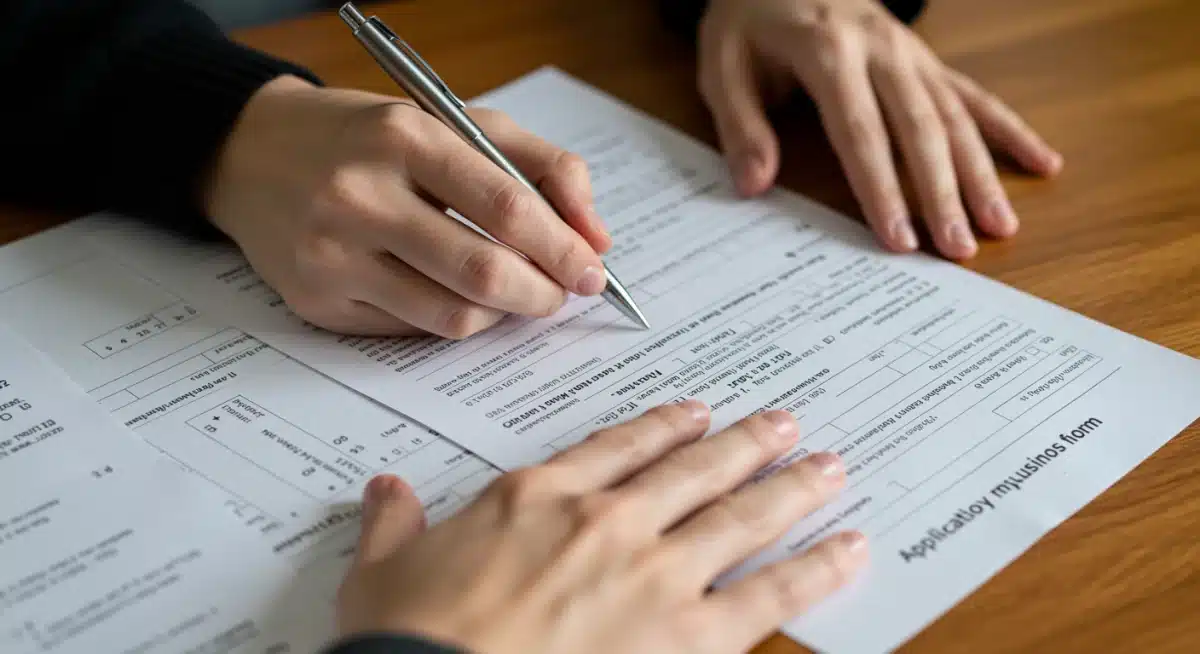
Step 3: Complete the Application Form
Most LIHEAP applications can be completed online, by mail, or in person. Fill out the application completely and accurately. Double-check all information before submission. If you have questions, don’t hesitate to contact your local LIHEAP office for clarification.
Step 4: Submit Your Application
Submit your completed application with all supporting documents. Keep a copy of your application and all submitted documents for your records. Some offices may provide a confirmation number or receipt.
Step 5: Follow Up
After submission, it’s a good idea to follow up with your local office within a few weeks to check the status of your application. Processing times can vary, especially during peak seasons. Be prepared to provide any additional information or documentation if requested.
By diligently following these steps, you significantly increase your chances of receiving LIHEAP energy assistance and reducing your energy burden for 2026. Remember, patience and thoroughness are your allies in this process.
Maximizing Your LIHEAP Benefits: Tips for Saving Up to 30%
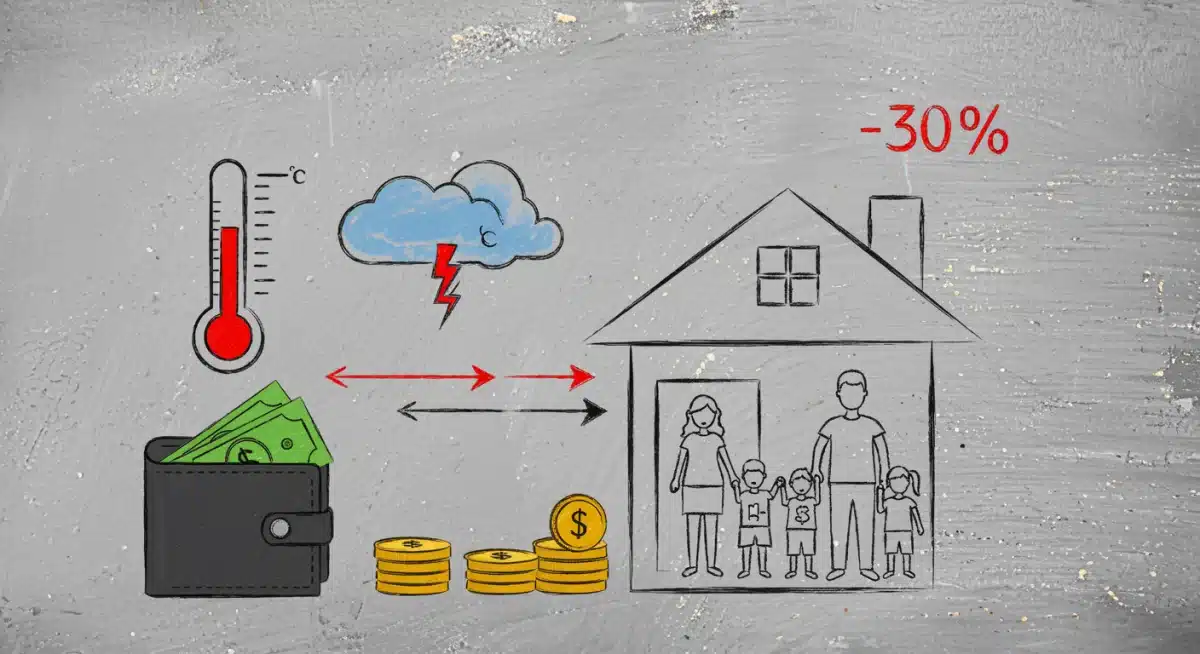
Receiving LIHEAP energy assistance is a fantastic start, but there are additional strategies you can employ to maximize your savings and potentially reduce your energy bills by up to 30% or even more. These tips combine smart energy usage with leveraging all available program components.
Understand Your Benefits
LIHEAP offers various types of assistance beyond just bill payment. Be sure to inquire about all available programs:
- Heating and Cooling Assistance: The primary benefit, helping with the direct cost of energy.
- Crisis Assistance: If you’re facing a shut-off notice or have run out of fuel, LIHEAP can provide immediate aid. Don’t wait until it’s too late to apply for this critical support.
- Weatherization Assistance: Some LIHEAP funds are allocated for weatherization services. This can include sealing air leaks, adding insulation, repairing or replacing inefficient heating/cooling systems, and more. These improvements offer long-term savings by making your home more energy-efficient.
Embrace Energy Efficiency Practices
Even with LIHEAP support, adopting energy-efficient habits can further slash your bills. Many of these are low-cost or no-cost changes:
- Thermostat Management: Set your thermostat lower in winter (e.g., 68°F during the day, even lower at night or when away) and higher in summer (e.g., 78°F). Every degree can make a difference.
- Seal Air Leaks: Use caulk or weatherstripping around windows and doors to prevent drafts. This is one of the cheapest and most effective ways to save energy.
- Window Treatments: Open curtains and blinds on sunny winter days to let in natural heat, and close them at night to trap warmth. Do the opposite in summer to block heat.
- Unplug Electronics: “Phantom load” from electronics plugged in but not in use can add up. Unplug chargers and appliances when not in use.
- Regular Maintenance: Ensure your heating and cooling systems are regularly serviced. Clean or replace filters monthly.
- Use Energy-Efficient Lighting: Switch to LED bulbs, which consume significantly less energy and last longer.
Explore Other Assistance Programs
LIHEAP is often part of a broader network of support. Inquire about:
- Utility Company Programs: Many utility providers offer their own assistance programs, budget billing options, or energy efficiency audits for low-income customers.
- State and Local Programs: Beyond LIHEAP, your state or county might have additional energy assistance or weatherization programs.
- Community Action Agencies: These non-profit organizations often provide a range of services, including energy assistance, food aid, and housing support.
By combining LIHEAP energy assistance with smart energy behaviors and exploring all available resources, you can significantly reduce your overall energy expenditure, making your home more affordable and comfortable throughout 2026 and beyond. Don’t leave money on the table – be proactive in seeking out and utilizing every saving opportunity.
Common Questions About LIHEAP Energy Assistance 2026
Navigating government programs can lead to many questions. Here are answers to some of the most frequently asked questions about LIHEAP energy assistance for 2026:
1. Can I apply for LIHEAP if my utilities are included in my rent?
In some cases, yes. If your rent includes utilities but you can demonstrate that your energy costs are a significant portion of your rent or that you are indirectly responsible for usage (e.g., through a sub-metering agreement), you might still be eligible. It’s best to check with your local LIHEAP office, as policies vary by state and local agency.
2. How often can I receive LIHEAP benefits?
Typically, households can receive LIHEAP benefits once per program year for heating assistance and once for cooling assistance, if both are offered in your area. However, crisis assistance might be available more than once if you face multiple energy emergencies. Again, specific policies are set at the state level, so confirm with your local office.
3. What if I’m denied LIHEAP assistance?
If your application for LIHEAP energy assistance is denied, you have the right to appeal the decision. Your denial letter should provide information on how to file an appeal and the deadline to do so. It’s important to understand why you were denied (e.g., incomplete application, income too high) and address those issues in your appeal or reapplication.
4. Does LIHEAP help with past-due bills or only current ones?
LIHEAP can often help with both. Many programs prioritize households with past-due bills or those facing disconnection to prevent energy crises. When applying, be sure to provide documentation of any outstanding balances or shut-off notices.
5. Is LIHEAP only for heating, or does it cover cooling too?
While often associated with heating assistance, LIHEAP also provides cooling assistance in many states, especially those with hot climates where air conditioning is a necessity for health and safety. The availability and duration of cooling assistance depend on state and local program specifics and funding.
6. How long does it take to receive LIHEAP benefits after applying?
Processing times for LIHEAP applications can vary significantly depending on the time of year, the volume of applications, and the efficiency of your local office. During peak heating or cooling seasons, it might take several weeks. If you are in an energy crisis (e.g., facing a shut-off), some offices offer expedited processing.
7. Can undocumented immigrants apply for LIHEAP?
Eligibility for LIHEAP is generally tied to legal residency status. Federal guidelines state that at least one member of the household must be a U.S. citizen, a qualified alien, or an eligible non-citizen. It’s important to check with your local agency for precise rules regarding household composition and immigration status.
8. What if my income changes after I apply?
If your income significantly changes after you’ve applied or received benefits, it’s generally a good idea to inform your local LIHEAP office. While it might not affect current benefits, it could impact future eligibility or the amount of assistance you receive. Honesty and transparency are always recommended.
These answers should help clarify some of the common uncertainties surrounding LIHEAP energy assistance. Always remember that your local LIHEAP office is the best resource for specific questions related to your situation and state’s program guidelines for 2026.
Beyond LIHEAP: Additional Resources for Energy Savings
While LIHEAP energy assistance is a cornerstone of support for low-income households, it’s not the only resource available. Combining LIHEAP with other programs and smart practices can create a robust strategy for managing energy costs and achieving greater financial stability.
Utility Company Assistance Programs
Many utility providers offer their own suite of programs designed to help customers manage their bills:
- Payment Arrangements: If you’re struggling to pay a bill, contact your utility company immediately to set up a payment plan. They often prefer to work with you rather than shut off service.
- Low-Income Discount Programs: Some utilities offer reduced rates or monthly discounts for qualifying low-income customers.
- Energy Audit Programs: Free or low-cost home energy audits can identify areas where your home is losing energy, suggesting improvements that lead to savings.
- Budget Billing/Average Payment Plans: These programs average your annual energy usage into predictable monthly payments, helping to avoid seasonal spikes.
Weatherization Assistance Program (WAP)
The federal Weatherization Assistance Program (WAP), separate from LIHEAP but often coordinated, helps low-income families reduce their energy bills by making their homes more energy efficient. WAP services can include:
- Insulation upgrades (walls, attics, floors)
- Sealing air leaks and drafts
- Repairing or replacing inefficient heating/cooling systems
- Installing energy-efficient lighting
These improvements can lead to significant, long-term reductions in energy consumption and costs, often saving households hundreds of dollars annually. To apply for WAP, contact your state’s energy office or a local community action agency.
Emergency Rental Assistance Programs
In some cases, emergency rental assistance programs (ERAP), often state or local initiatives, may also provide funds to help cover utility arrears, especially if those utilities are included in your rent or are essential to maintaining your housing stability. These programs are typically short-term but can provide critical relief during a crisis.
Community and Charitable Organizations
Local charities, churches, and community organizations often have funds or referral services for individuals and families in need of energy assistance. Organizations like the Salvation Army, United Way, and local food banks may offer direct aid or guide you to other resources in your area.
Energy-Saving Habits and Technologies
Beyond programs, remember the power of personal habits and smart investments:
- Smart Thermostats: Programmable or smart thermostats can optimize your home’s heating and cooling schedules, leading to significant savings.
- Appliance Efficiency: When replacing appliances, look for ENERGY STAR® certified models, which are designed for superior energy efficiency.
- Power Strips: Use power strips for electronics and turn them off when not in use to eliminate phantom load.
By exploring these additional resources and maintaining energy-conscious habits, you can build a comprehensive strategy to manage your energy costs effectively, ensuring comfort and affordability for your home in 2026 and beyond. LIHEAP energy assistance is a powerful tool, but it works even better when combined with these complementary efforts.
Conclusion: Securing Your Home’s Comfort with LIHEAP Energy Assistance in 2026
The prospect of high energy bills can be a source of significant stress, especially for low-income households. However, programs like the Low Income Home Energy Assistance Program (LIHEAP) offer a crucial lifeline, providing much-needed financial relief and ensuring that families can keep their homes warm in winter and cool in summer without facing impossible choices between energy and other necessities.
As we look ahead to 2026, understanding the ins and outs of LIHEAP energy assistance is more important than ever. From verifying your eligibility based on income and household size to meticulously gathering the required documentation and submitting a complete application, each step is vital. Remember to connect with your local LIHEAP office, as they are your primary resource for state-specific guidelines, application periods, and any unique requirements in your area.
Moreover, simply receiving LIHEAP benefits is just the beginning. By embracing energy-efficient practices, exploring additional utility company programs, and investigating weatherization assistance, you can amplify your savings, potentially reducing your energy costs by up to 30% or more. These combined strategies create a resilient defense against fluctuating energy prices and contribute to long-term household financial stability.
Don’t let the fear of energy bills compromise your family’s comfort and safety. Take the proactive steps outlined in this guide to apply for LIHEAP energy assistance in 2026. With the right information and a little effort, you can secure the support you need to ensure a warm and comfortable home, freeing up valuable resources for other essential needs. Your well-being and peace of mind are worth the investment in understanding and utilizing these vital programs.